
Energy Savings for Grocery & Convenience Stores
Learn how grocery and convenience stores can reduce energy costs through heating system improvements, refrigeration heat recovery, foodservice equipment upgrades, water heating efficiency measures, and operational best practices.
Managing energy costs in a competitive industry.
Energy is one of the largest operating expenses for grocery and convenience stores. With refrigeration, heating, cooking, lighting, and water heating systems operating throughout the day, even small efficiency improvements can have a meaningful impact on operating costs.
Improving energy efficiency can help businesses manage expenses, reduce unnecessary energy use, and create a more comfortable shopping experience for customers and employees.
Heating
Food Prep
Water Heating
Explore energy-saving strategies
Learn about equipment upgrades, operational improvements, and efficiency measures that can help reduce energy use and lower operating costs in grocery and convenience store environments. Select a topic below to get started.
Space heating represents nearly 75% of a grocery or convenience store’s natural gas consumption, which makes it the best place to prioritize your efficiency efforts.
Contain the Cold
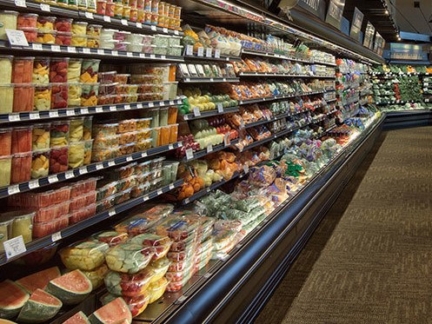
Heating, cooling, and refrigeration systems often compete inside grocery stores. Adding doors, night covers, and air curtains to refrigerated cases help prevent cold air from leaking into the store and reduce the energy needed to heat your space.
Recover the Heat
Heat recovery systems can be added to refrigeration equipment to capture heat in the form of hot water. The heat from a 7.5-horsepower compressor can provide nearly 100% of a mid-sized store’s hot water needs for kitchen clean up and sinks. Grocery and convenience stores can also use a heat exchanger to recover and reuse this heat for your store instead of using gas-fired equipment.
Set It and Forget It
Programmable thermostats are a great way to save energy, especially in areas that are unoccupied during certain parts of your day or night.
Improve Duct Performance
Ducts for a forced-air furnace, central air conditioner, or heat pump can be significant sources of energy loss. Sealing and insulating them may help improve heating efficiency by up to 20%.
Upgrade to ENERGY STAR® Equipment
ENERGY STAR equipment uses 10% to 50% less energy than conventional models. Check out the Foodservice Equipment link below for energy-saving options and current rebate offers.
Reduce Operating Time
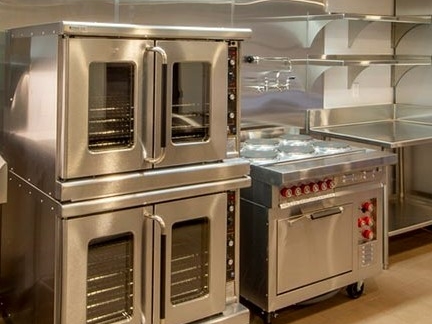
Reducing the operating time of an idle appliance can cut your cooking related energy consumption by up to 60%. If that’s not convenient, choose equipment that uses less energy when idle. For example, rapid-cook ovens (which combine microwave with other heating technologies) have a low power draw when idle.
Optimize Kitchen Exhaust Systems
Most commercial kitchen hoods operate at 100% capacity, even during idle periods, wasting thousands of dollars of energy every year. You can reduce your costs by installing fan controls that vary the speed based on demand.
Reduce Hot Water Use
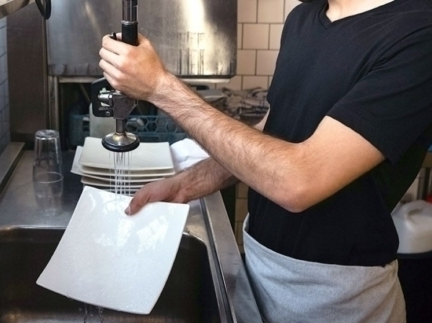
Between cooking, dishwashing, and cleaning, water heating can comprise 20% of a kitchen’s energy use. The first step is to reduce the amount of hot water going down your drain by installing low-flow spray nozzles and low-flow aerators.
Upgrade Water Heating Equipment
Consider upgrading your water heater. ENERGY STAR-certified water heaters use around 15% less energy than conventional units.
Additional Resources
Explore industry guidance, technical resources, and best practices designed specifically for grocery and convenience store operations.